ICOM IC-A25N Handheld NAV/COM Transceiver w/ Bluetooth – Open Box: Professional Aviation Backup Radio
ICOM IC-A25N Handheld NAV/COM Transceiver w/ Bluetooth – Open Box: Professional Aviation Backup Radio
Blog Article
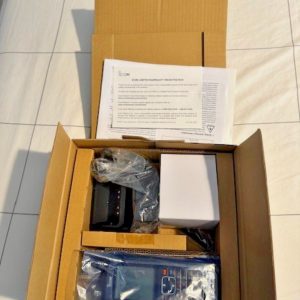
:::writingvariant="document" id="58314" ICOM IC-A25N Handheld NAV/COM Transceiver w/ Bluetooth – Open Box: Reliable NAV/COM Performance The ICOM IC-A25N Handheld NAV/COM Transceiver w/ Bluetooth – Open Box combines user-friendly controls, portable convenience, aviation communication capability, navigation functions, and Bluetooth connectivity. For budget-conscious pilots, an open-box radio may provide a practical balance between modern functionality, reliable construction, and competitive purchase value. The ICOM IC-A25N Handheld NAV is suitable for users who want portable access to communication and navigation-related functions during flight preparation, cockpit operations, instruction, emergency planning, or airport ground activities. An ICOM IC-A25N Aviation Radio can support communication between pilots, air traffic services, flight instructors, ground personnel, and other aviation users where authorized. An ICOM IC-A25N Handheld Radio offers mobility that panel-mounted equipment cannot provide, allowing users to communicate from the aircraft, ramp, hangar, or operations area. A Handheld NAV/COM Aviation Transceiver can reduce the need to carry separate portable communication and navigation receivers for read more certain aviation tasks. Whether a buyer is sourcing a Handheld Aviation Radio, Aviation NAV/COM Radio, Pilot Handheld Radio, or Aircraft Communication Radio, actual operating needs should guide the selection. The handheld format makes the unit relevant to buyers comparing Emergency Aviation Radio, Backup Aircraft Radio, ICOM Pilot Radio, and portable navigation communication equipment.
Understanding the ICOM IC-A25N Handheld NAV/COM Transceiver
A multifunction handheld radio can provide useful redundancy and flexibility for pilots who regularly operate in different aircraft or environments. The IC-A25N may appeal to users who prioritize strong construction, straightforward operation, and access to aviation functions away from the instrument panel. Real-world results depend on setup, antenna use, radio configuration, location, surrounding structures, and the condition of the complete package. Operators should include the radio in normal equipment checks so batteries, accessories, and settings remain ready for use.ICOM IC-A25N Handheld NAV Applications
An ICOM IC-A25N Handheld NAV may help pilots monitor frequencies, organize flight-related information, and maintain portable communication capability. Students may practice menu navigation, frequency entry, memory organization, display interpretation, and accessory setup in a controlled setting. Aviation navigation requires situational awareness, planning, current data, and understanding of aircraft and airspace requirements. Responsible operation includes checking settings, frequency steps, stored information, battery capacity, antenna security, and any paired accessories before departure.Using the ICOM IC-A25N Aviation Radio
An ICOM IC-A25N Aviation Radio can serve pilots who need portable communication for flight operations, aircraft delivery, training, airport coordination, or emergency preparedness. Flight instructors can use the device as supplemental equipment during ground lessons, aircraft walkarounds, and selected training exercises. Current photographs should show the radio body, display, controls, connectors, antenna, battery, charger, packaging, and included components. Testing should occur in a lawful and appropriate manner without creating unauthorized transmissions or interfering with aviation communications.ICOM IC-A25N Handheld Radio Applications
The IC-A25N provides flexibility for aviation users who need one communication device across multiple locations and operational roles. Battery contacts, charging ports, headset connections, controls, and the display should remain free from dirt, loose objects, and contamination. Pilots can practice with the radio at home or in a classroom while following the applicable manual and operating guidance. A portable radio should not be left in extreme heat, direct sunlight, freezing conditions, or damp environments for extended periods.Handheld NAV/COM Aviation Transceiver Applications
A Handheld NAV/COM Aviation Transceiver combines portable communication and navigation-related capability within one device, making it useful for pilots who value multifunction equipment. Buyers should compare interface design, battery options, charging arrangements, antenna quality, accessory availability, display readability, audio performance, and operational needs. A brief function check can identify weak battery performance, loose accessories, damaged connectors, or configuration problems before departure. Any abnormal heat, charging issue, intermittent audio, damaged control, loose connector, or battery swelling should be investigated before further operation.Handheld Aviation Radio Benefits
A handheld aviation device can support monitoring and communication activities from the cockpit, ramp, hangar, or operations office. Regular practice and maintenance turn a handheld device into meaningful backup equipment rather than an unverified accessory. Accessories such as approved headset connections or suitable external antenna arrangements may influence convenience and performance. The device should not be used for casual or unnecessary transmissions that could interfere with operational communications.Benefits of an Aviation NAV/COM Radio
The IC-A25N can be carried across different aircraft, allowing one pilot to maintain familiarity with the same handheld controls. Menu familiarity, memory organization, display interpretation, audio control, and Bluetooth setup can improve efficient operation. The radio’s navigation-related functions should be used within the limits described by the manufacturer and the requirements of the intended operation. Volume and squelch should be adjusted appropriately while avoiding unnecessary distraction.Maintaining a Pilot Handheld Radio
Pilots may carry a handheld radio as part of a broader emergency kit that includes lights, power supplies, charts, tools, and survival equipment appropriate to the flight. The device should remain accessible to the pilot without becoming a loose object or interfering with cockpit controls. Emergency equipment is more useful when essential controls can be operated confidently without lengthy manual review. Battery condition should be reassessed as the pack ages or shows reduced capacity, charging problems, unusual heat, or physical changes.Maintaining an Aircraft Communication Radio
A handheld radio may provide additional flexibility during aircraft demonstrations, test preparation, delivery operations, or extended maintenance events. Professional communication practices improve the effectiveness of both installed and handheld radios. Moving the radio or antenna within the cockpit may influence reception, but it must remain secure and clear of controls. Maintaining physical and electronic condition supports dependable Aircraft Communication Radio performance.Using a Portable Aviation Transceiver
The device can support airport ground activities, remote-airfield operations, aircraft inspections, maintenance coordination, and flight preparation. Charging equipment should be identified clearly and kept with the correct radio and battery system. Wireless connectivity may help pilots integrate the radio into a preferred communication setup when paired equipment is supported and configured correctly. Bluetooth settings can be reviewed during preflight preparation and confirmed before the aircraft begins moving.Benefits of an Aviation Communication Device
The ideal device balances functionality with an interface the user understands and can operate confidently. An open box may result from display, return, inspection, testing, damaged packaging, or another non-operational reason. Aviation businesses should establish procedures for cleaning shared microphones, headsets, controls, and surfaces where appropriate. A radio configured for one headset or training environment may need adjustment before being issued for another application.Maintaining a Handheld Aircraft Radio
A Handheld Aircraft Radio can provide useful communication capability both inside the cockpit and around the aircraft during maintenance, preflight, towing, fueling, or operational preparation. A handheld unit allows maintenance personnel to confirm communication-related information while aircraft power remains disconnected. Cockpit use requires secure storage and careful cable management so the radio does not interfere with flight controls, doors, seat adjustment, or emergency movement. Ramp and maintenance environments can expose portable electronics to contaminants that are less common in normal indoor storage.Choosing an Aviation Navigation Radio
The aviation-focused interface is intended to support pilots who need quick access to practical features in a compact format. Competent use comes from practice, realistic expectations, and integration with established navigation procedures. Portable functions are most useful when they complement rather than replace disciplined aviation decision-making. Users should remove outdated memories or clearly organize frequencies to reduce confusion during operation.Choosing an ICOM Pilot Radio
An ICOM Pilot Radio can appeal to aviation users who value an established communications manufacturer, aviation-focused controls, portable construction, and practical accessory support. An open-box unit may have excellent value, but the buyer should verify the package rather than relying solely on the model name. The device should support the pilot’s normal workflow rather than requiring accessories or procedures that are inconvenient or incompatible. Once acquired, the radio should be labeled, documented, configured, charged, tested, and stored in an accessible location.Emergency Aviation Radio Benefits
Emergency value depends on the radio being charged, accessible, configured, and familiar to the pilot before a problem occurs. A written quick-reference guide may help, but it should remain simple enough to use without creating distraction. Emergency preparation may include checking battery endurance, carrying an appropriate backup power source, protecting the antenna, and confirming headset compatibility. Battery packs should be replaced when capacity declines, physical damage appears, charging becomes unreliable, or the manufacturer’s guidance indicates replacement.Maintaining a Backup Aircraft Radio
A portable radio may also support communication when an aircraft is on the ground with its electrical system disconnected or undergoing avionics maintenance. A backup device should not be neglected simply because it is not used during every flight. The device should be placed where it can be retrieved quickly without interfering with flight controls or becoming a loose object. With thoughtful preparation, a Backup Aircraft Radio can provide valuable confidence without creating unnecessary cockpit complexity.Inspecting an Open-Box ICOM IC-A25N
An open-box ICOM IC-A25N should be inspected for cosmetic condition, display quality, button response, antenna security, battery fit, connector condition, and evidence of previous use. Buyers should ask whether the radio was displayed, returned, tested, paired, charged, transmitted with, or previously registered. Functional testing should include power-on behavior, charging, control response, display operation, speaker audio, microphone function where appropriately tested, and accessory recognition. A professional purchasing process protects both parties and supports a fair evaluation of the open-box aviation transceiver.Protecting ICOM IC-A25N Reliability
Long-term reliability depends on battery care, protected storage, correct charging, careful antenna handling, clean connectors, updated familiarity, and prompt attention to operating concerns. Maintenance should be completed before the radio is needed for an important flight or emergency role.- Inspect the radio body, display, antenna, battery, charger, controls, connectors, clips, cables, and included accessories before important operations.
- Review essential controls on the ground so the radio can be operated confidently without unnecessary cockpit distraction.
- Protect the equipment from extreme temperature, direct sunlight, moisture, fuel, oil, cleaning chemicals, heavy tools, and accidental impact.